
Dog owners in New Mexico are not automatically liable for every bite their pets inflict. As your New Mexico dog bite attorney, our team led by Air Force veteran Anthony Spratley can find out if the owner is at fault. Liability depends on rules that require proof of negligence or prior knowledge of danger.
Contact Fusion Legal Group today for a free consultation to discuss your dog bite case and learn your legal options under New Mexico law.
Rio Rancho dog bite laws liability is set by common law rules and local city laws rather than a single strict rule. New Mexico follows the scienter rule (often called the one-bite rule), meaning an owner is at fault if they knew or should have known the dog was dangerous. You can also prove fault if the owner failed to use ordinary care, such as failing to leash a dog or secure a fence. Victims can seek compensation for medical bills, lost wages, and pain and suffering. New Mexico uses pure comparative negligence, and you have three years from the injury date to file a claim.
Understanding these legal paths is vital for your case. To see if your claim meets the state standard, you must understand how New Mexico’s approach to dog bite liability works. This rule sets the stage for how every case unfolds.
Rio Rancho Dog Bite Laws Liability: What Is the Scienter Rule in New Mexico Dog Bite Cases?
New Mexico follows the scienter rule, commonly called the one-bite rule, for dog bite cases. Under this rule, a dog owner is liable for injuries only if they knew or should have known the dog was dangerous. This standard is codified in Uniform Jury Instruction 13-506. Victims can prove prior knowledge through past aggression like growling or snapping, signs like “Beware of Dog,” or testimony about the owner’s awareness of the dog’s tendencies.
New Mexico does not have a law that makes dog owners at fault for every bite. Instead, the state follows a legal rule called “scienter.” Most people call this the “one-bite” rule. Under this rule, a dog owner is often not held at fault the very first time their pet bites a person. For a victim to get money for their hurts, they must prove the owner knew the dog was dangerous. This rule is a major part of Rio Rancho dog bite laws liability that every victim should know.
Understanding the One-Bite Rule and UJI 13-506
The state uses a set of rules called Uniform Jury Instructions to guide dog bite cases. Rule 13-506 is the main guide. It says a dog owner is at fault for a bite if they knew or should have known the dog was mean. This means an owner must be aware of the dog’s past actions. If the dog has a history of trying to hurt people, the owner has a duty to keep others safe. Working with a New Mexico dog bite attorney can help you find proof that the owner was aware of the danger.
The “should have known” part of the rule is vital for victims. It means that even if the owner claims they did not know the dog was mean, the law might still hold them at fault. If a normal person in the same spot would have seen the risk, the owner is at fault. This rule keeps owners from ignoring clear signs that their pet might hurt someone in the future.
Proving Prior Knowledge Without a Prior Bite
One common myth is that a dog must bite someone else before the owner is at fault. This is not true. You do not need a past bite to win your case. You can use other facts to show the owner knew the dog was risky. For example, if the dog often growls, snaps, or lunges at people on the sidewalk, that is a sign of a mean streak. These actions show the dog has a tendency to be vicious.
Other clues can also prove the owner knew the dog was a threat. Signs that say “Beware of Dog” or the use of heavy chains can show the owner was worried about what the dog might do. Even the way the owner talks about the dog to others can be used as proof. If you have been hurt, you should report the event to the city within 24 hours as required by the Rio Rancho City Animal Regulations.
The Perkins v. Drury Precedent
The case of Perkins v. Drury is a landmark in New Mexico dog bite law. In this case, the court ruled that a dog must show its mean side toward humans, not just other animals. If a dog is mean to other dogs but nice to people, the “one-bite” rule might still protect the owner. The law looks for proof that the dog is a threat to people only. This can make these cases hard to prove without the right help.
Another case, Torres v. Rosenbaum, also helps set the bar for these legal fights. These court rulings mean that the facts of each case matter a lot. A victim needs to show that the dog’s past actions made a future bite likely. Because of these complex rules, proving fault in a dog bite case takes significant legal work.

How Does Smith v. Village of Ruidoso Create Two Paths to Compensation?
The 1999 ruling in Smith v. Village of Ruidoso established two distinct legal paths for dog bite victims in New Mexico. The first is strict liability, which applies when the owner knew the dog was dangerous. The second is ordinary negligence, which applies when the owner failed to use reasonable care to control the animal, regardless of prior knowledge of viciousness. This dual-path system ensures victims have options even when they cannot prove the owner knew the dog was dangerous.
New Mexico courts use past cases to decide how dog bite claims work. A key case is Smith v. Village of Ruidoso (1999). This case shows there are two main ways to hold a dog owner liable. The first is strict liability. The second is ordinary negligence. Knowing the difference helps your New Mexico dog bite lawyer build a strong case.
How strict liability starts
In New Mexico, strict liability does not apply to every dog bite. It starts only when the owner knows the dog is dangerous. The Smith case showed that once an owner knows this, they are liable for the harm the dog causes. You do not have to prove the owner was careless at the time of the bite. You only need to show they knew the dog was a risk before it happened.
This is part of the scienter rule. It needs proof that the dog acted in a way that showed it might hurt someone. Under Perkins v. Drury (1953), this bad behavior must have been toward a human. Showing that a dog was mean to other animals is often not enough to start strict liability under this rule.
The path of negligence
The Smith case also found that negligence is a separate path to get help. Even if an owner did not know a dog was dangerous, they can still be at fault. This happens if they failed to use ordinary care to control the dog. For example, if an owner lets a dog run free in Rio Rancho, they might be negligent even if the dog never bit anyone in the past.
This two-track system means a jury can look at both strict liability and negligence. In the Smith case, which involved a police dog, the court said a separate jury instruction was needed for negligence. This helps victims seek justice even when the owner says they had no warning of the dog’s mood.
The use of ordinary care
To win a negligence claim, you must show the owner did not use the care a normal person would use. This might mean they did not fix a broken gate or ignored local Rio Rancho dog bite laws liability rules. Your lawyer will look for proof that the owner was not careful in how they kept the animal. This path is vital in cases where the one-bite rule might block a claim.
What Is Negligence Per Se and How Does It Help Your Case?
Negligence per se is a powerful legal doctrine that applies when a dog owner violates a local ordinance or state law intended to protect public safety. If an owner breaks Rio Rancho’s leash laws, confinement requirements, or mandatory bite-reporting rules, the court may treat that violation as automatic proof of negligence. This simplifies the victim’s case by removing the need to prove the owner’s prior knowledge of the dog’s dangerous tendencies.
In many cases, proving that a dog owner knew about a pet’s prior bad behavior is hard. But New Mexico law provides another way to hold an owner liable for your injuries. Even if the dog never bit anyone before, you can seek damages through a claim of ordinary negligence. This path focuses on the owner’s failure to use reasonable care to prevent the attack.
Proving a Failure of Ordinary Care
An owner has a duty to control their animal to keep others safe. Negligence occurs when an owner fails to take basic steps that a careful person would take in the same situation. For example, leaving a yard gate unlatched or using a fence that is too short can lead to a lawsuit. If the owner’s lack of care allowed the dog to escape and bite you, they may be held responsible for your New Mexico dog bite claim.
The case of Smith v. Village of Ruidoso confirmed that negligence is a distinct way to win your case. The court ruled that a jury can receive separate instructions for negligence and for the owner’s prior knowledge of the dog’s nature. This means you do not have to prove the owner knew the dog was vicious if you can show they were careless in how they handled or confined the animal.
Liability Through Local Ordinance Violations
Another way to prove a case is through negligence per se. This happens when an owner breaks a local law meant to protect the public. In Rio Rancho, city rules set clear standards for how owners must manage their pets. For instance, the Rio Rancho City Animal Regulations require owners to keep dogs under control at all times. If an owner lets a dog roam off-leash or fails to secure it behind a proper fence, they have violated the law.
When an owner breaks these local codes, the law may treat the breach as automatic proof of negligence. This simplifies your case because you only need to show that the violation led directly to your injury. Following an attack, you should check for any local leash law or confinement rule that the owner may have ignored.
The Role of Local Enforcement
Local agencies play a key part in documenting negligence after an attack. In Rio Rancho, you must report any mammal bite to the authorities within 24 hours. These reports help create a paper trail that our firm can use to prove the owner failed in their duties. Sandoval County Animal Control often handles these reports and makes findings about the dog’s history and the owner’s habits.
By working with these local offices, we can gather evidence of poor confinement or a history of leash law fines. These facts show a pattern of poor care that supports your claim for medical bills and lost wages. Even if this was the dog’s first bite, a track record of broken city rules can be the key to winning your case in court.
Can You Prove the Owner Knew the Dog Was Dangerous Without a Prior Bite?
Yes. Under New Mexico law, you can prove the owner knew the dog was dangerous using evidence other than a prior bite. Aggressive habits such as growling, snapping, or lunging at people, warning signs on the property, heavy-chain restraints, and neighbor testimony all establish the owner’s knowledge. Under the Mallard v. Zink ruling, the knowledge of one co-owner is imputed to all co-owners, strengthening the victim’s case.
To win a case for a dog bite in Rio Rancho, you must show the owner knew the dog was a threat. New Mexico law often uses the one-bite rule. This rule means the owner is at fault if they knew or should have known the dog was vicious. While a past bite is clear proof, it is not the only way to show the owner was on notice. This rule has been part of our law for a long time, as shown in cases like Torres v. Rosenbaum.
Proof of Aggressive Habits
You can use many types of proof to show an owner knew their dog was prone to biting. If the dog has a habit of snapping, lunging, or growling at people, the owner is on notice. These acts show the dog’s vicious nature even if it has never drawn blood before. Other signs include the dog being kept in a heavy-duty cage or the owner telling others to stay back because the dog is mean.
You might talk to neighbors who have seen the dog act out in the past. You can also look for records from animal control or posts on social media. These details help build a strong case under UJI 13-506 NMRA, which sets the rule for dog owner duty in our state courts. Local rules also play a part, and owners must follow the Rio Rancho City Animal Regulations to keep others safe.
Shared Knowledge Between Owners
When more than one person owns a dog, the law treats their knowledge as a shared unit. In New Mexico, if one co-owner knows the dog is dangerous, that knowledge is given to the other owners. This means all owners can be held at fault for the dog’s acts. This is true even if only one of them saw the dog act mean before the attack. This rule comes from the case of Mallard v. Zink, which treats co-owners as one group for legal goals.
If a dog lives in a home with two people. And one knows it has tried to bite a guest, both are likely at fault for any later attack. A skilled New Mexico dog bite lawyer will look into everyone who owns the dog to find all ways to get you compensation.
The Defense of Provocation
Even if a dog is known to be dangerous, the law looks at the victim’s acts too. An owner might not be at fault if they can show the victim provoked the dog. This is a main defense in New Mexico. It applies if a person knew the dog was dangerous and chose to bother it or put themselves in its path. If you tease or hit a dog and it bites you, the court may find you partly or fully at fault. But the owner must prove that you acted on purpose to cause a reaction. Simply being near a dog or trying to pet it does not usually count as provocation, unless you already knew it was mean.
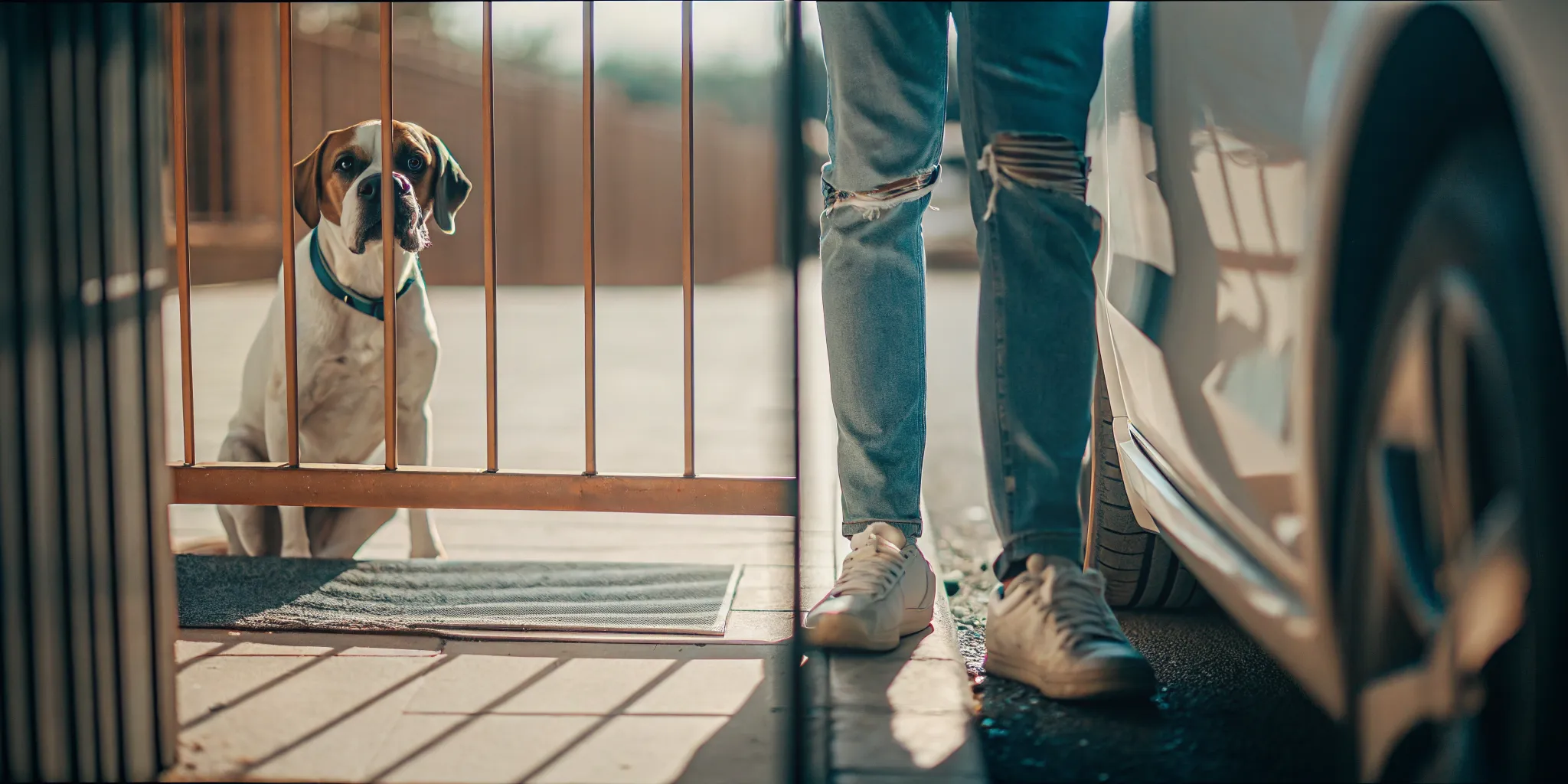
Rio Rancho Municipal Ordinances and New Mexico Animal Laws
Rio Rancho’s local ordinances create additional avenues for proving liability in dog bite cases. The city mandates bite reporting within 24 hours, enforces leash and confinement standards, and designates dangerous dogs through Sandoval County Animal Control. Violating these ordinances triggers negligence per se, which automatically establishes the owner’s duty of care was breached. State law NMSA 1978, Section 77-1-10 further requires owners to confine known vicious animals.
State laws set the base rules for dog bite cases. Local rules also change how you prove your case. In Rio Rancho, city and county rules work with state laws to hold owners responsible. If a dog owner breaks these local laws, it can make it much easier for you to win compensation for your medical bills and pain.
Mandatory Bite Reporting in Rio Rancho
If a dog bites someone in Rio Rancho, the law says the owner must report it fast. The Rio Rancho city animal rules say any mammal bite must be reported within 24 hours. This rule helps the city track dogs that might be a risk. It also helps stop more attacks from happening in your neighborhood.
When you report a bite, the city makes a formal record. This record can be vital proof for your New Mexico dog bite lawyer. It shows the date, time, and the dog that attacked you. If an owner fails to report the bite, they may face fines and additional legal trouble.
Dangerous Dog Decisions and Sandoval County
Rio Rancho has its own rules, but Sandoval County Animal Control handles big safety tasks. This office checks on animal complaints for city residents and makes the final call on dangerous dog labels. A dangerous dog is one that has caused a bad injury to a person or has killed a pet while off its own land.
A dangerous dog designation from the county can help your claim. It serves as proof that the owner knew their dog was a threat. If you have been hurt, you should ask the county for the dog’s history. This evidence makes it harder for the owner to claim they did not know the dog was mean.
State Law and Negligence Per Se
New Mexico state law has strict rules for dog owners as well. NMSA 1978, Section 77-1-10 makes it illegal to keep a vicious animal unless it is locked up. This law protects the public from dogs that owners know are likely to cause harm. If an owner lets a mean dog run free, they are breaking state law.
When an owner breaks a local or state law, it can lead to negligence per se. This means the owner was at fault just because they broke the rule. You do not have to prove they were careless in other ways. If the dog was off a leash in a leash-law area, the owner is often at fault for the attack. This fact helps establish Rio Rancho dog bite laws liability and speeds up your case.
What Types of Compensation Can You Recover for a Dog Bite in Rio Rancho?
New Mexico law allows dog bite victims to recover both economic and non-economic damages. Economic damages include medical expenses (ER visits, surgery, plastic surgery, medications, physical therapy), lost wages, and reduced earning capacity. Non-economic damages include pain and suffering, emotional distress, and PTSD. In cases of gross negligence, punitive damages may also be available. All claims must be filed within three years under the statute of limitations.
When a dog attack happens, the harm is often more than just a physical wound. New Mexico law allows victims to seek payment for the full range of their losses. These losses, called damages, help you get back to how things were before the bite. A New Mexico dog bite lawyer can help you find every type of payment you are owed under the law.
Payment for your medical bills
The first goal of a legal claim is often to cover your health care costs. Dog bites can cause deep puncture wounds, torn skin, and broken bones. These injuries often need help from a doctor right away. You can get payment for past bills and the cost of the care you will need later. This includes visits to the ER, shots for tetanus or rabies, and time spent in the hospital. Some victims also need plastic surgery to fix scars or help with nerve damage.
The Centers for Disease Control and Prevention (CDC) notes that dog bites can lead to serious infections like cellulitis. These health risks mean you should see a doctor fast. Your claim can include the cost of all meds, physical therapy, and any tools you need to recover.
Lost pay and mental health support
If your injury keeps you from your job, you can ask for lost wages. This covers the money you did not make while you were out of work. If you cannot do the same job as before, you may also get pay for your reduced power to earn. This helps fill the gap in your life-long earnings caused by the attack.
A dog attack is a scary event that can leave lasting mental scars. Many people, especially children, suffer from fear of dogs or post-traumatic stress disorder (PTSD) after an attack. New Mexico law lets you seek payment for pain and suffering and emotional distress. These funds help you pay for the care and therapy you need to feel safe again.
Punitive damages and time limits
In most cases, you seek payment to cover your actual losses. But if the dog owner was very careless, you might get punitive damages too. These are meant to punish the owner for gross neglect and stop others from doing the same. For example, if an owner knew their dog was a threat but let it run free, a court might award these extra funds.
You must act fast to protect your right to these payments. Under New Mexico law, you have a three-year time limit to file a personal injury case. If you wait too long, you may lose your chance to get the money you deserve.
Defenses the Owner May Raise and New Mexico’s Comparative Negligence Rule
New Mexico’s pure comparative negligence rule (NMSA 1978, Section 41-3A-1) allows victims to recover damages even if they were partially at fault for the incident. A victim found 30% at fault would still recover 70% of their damages. Common defenses include provocation, trespassing, and assumption of risk. Working with an attorney is critical to address these defenses and maximize your recovery.
Even when the facts of your case line up well, the owner and their insurance company will look for ways to reduce what they owe. New Mexico law recognizes several defenses in dog bite cases. The most common defenses include provocation, trespassing, and comparative fault. Understanding these defenses is important so you can prepare your case accordingly.
Provocation and trespassing defenses
The owner may claim you provoked the dog into biting you. Under New Mexico law, provocation means you intentionally annoyed, harassed, or injured the dog in a way that caused it to react. Simply walking past a fenced yard or entering a room where the dog is present does not count as provocation. However, if you were teasing the dog through a fence or physically striking it, the owner may use this defense to reduce or eliminate their liability.
Trespassing is another common defense. If you were unlawfully on the owner’s property when the bite occurred, the owner may argue they owe you no duty of care. New Mexico law is less clear on trespassing cases than on provocation. Courts will look at whether the dog was known to be dangerous and whether the owner posted visible warnings. A skilled New Mexico dog bite attorney can help you understand how these defenses apply to your specific situation.
New Mexico’s pure comparative negligence rule
New Mexico follows a pure comparative negligence standard under NMSA 1978, Section 41-3A-1. This rule applies to dog bite cases as well. The jury assigns a percentage of fault to each party. Even if you are found to be 70% at fault, you can still recover 30% of your total damages. The key is that your recovery is reduced by your percentage of fault.
This rule works in your favor in many dog bite cases. For example, if the owner argues you should not have petted an unfamiliar dog, the jury might assign you 20% fault. Under pure comparative negligence, you would still recover 80% of your damages. This is far more generous than states that bar recovery if the victim is even 1% at fault.
Working with an experienced legal team ensures you have the evidence needed to minimize your assigned percentage of fault and maximize your recovery.
Third-Party Liability: Landlords, Insurance, and the 3-Year Deadline
Third parties such as landlords may be held liable for dog bites in limited circumstances under New Mexico law. Specifically when they knew the dog was dangerous and had the power to remove it. Homeowners insurance is the primary source of compensation for most dog bite claims, though some policies exclude certain breeds. The statute of limitations for filing a dog bite claim in New Mexico is three years from the date of the injury.
Dog bite cases often involve more than just the dog’s owner. In some situations, third parties such as landlords, property managers, or insurance companies may also have legal responsibility. Understanding who can be held liable helps you identify all available sources of compensation.
When a landlord may be liable
New Mexico courts have held that a landlord may be liable for a tenant’s dog bite in limited situations. The victim must prove the landlord knew the dog was dangerous and had the ability to remove the dog from the property. If the landlord received complaints about the dog’s aggressive behavior but did nothing, they could be partially responsible for injuries the dog later causes.
Landlord liability is most common in multi-unit buildings where the landlord retains control over common areas and lease terms. However, proving a landlord’s knowledge is often challenging without documentation of prior complaints or incidents involving the dog.
Insurance coverage for dog bites
Homeowners and renters insurance policies typically cover dog bite injuries. This is the primary source of compensation for most victims. The insurance company is responsible for paying damages up to the policy limit. However, some insurers exclude certain dog breeds or have specific requirements for coverage. An experienced New Mexico dog bite lawyer can help identify the insurance policies that apply to your case and negotiate with the insurance company on your behalf.
Time limits for filing your claim
New Mexico law gives you three years from the date of the dog bite to file a personal injury lawsuit under NMSA 1978, Section 37-1-8. This time limit applies to both strict liability and negligence claims. If you miss this deadline, you lose your right to pursue compensation in court. Evidence can disappear and witness memories can fade over time, so it is wise to act quickly.
How Do Strict Liability and Negligence Compare in Dog Bite Cases?
Understanding the difference between the two legal paths in New Mexico dog bite cases can help you and your attorney build the strongest possible claim. Each path has different elements of proof, and the best strategy often involves pursuing both simultaneously.
| Factor | Strict Liability (Scienter) | Ordinary Negligence |
|---|---|---|
| Key requirement | Owner knew dog was dangerous | Owner failed to use reasonable care |
| Prior bite needed? | No, but prior aggression helps | No, any failure of care suffices |
| Proof focus | Dog’s history and owner’s awareness | Owner’s conduct and safety measures |
| Local law violations | Helpful but not required | Can create negligence per se |
| Comparative negligence | Applies | Applies |
| Typical damages | Full economic and non-economic | Full economic and non-economic |
What Steps Should You Take After a Dog Bite in Rio Rancho?
After a dog bite in Rio Rancho, take these steps to protect your health and your legal claim: seek immediate medical attention. Report the bite to Sandoval County Animal Control within 24 hours. Photograph your injuries and the scene, gather the owner’s contact and insurance information, preserve all evidence including torn clothing. Avoid giving recorded statements to insurance companies, and contact Fusion Legal Group before speaking to any insurance adjuster. New Mexico gives you three years to file a claim, but early action preserves evidence and strengthens your case.
What you do in the hours and days after a dog attack can have a lasting impact on your physical recovery and your legal case. Taking the right steps helps preserve evidence, establish a clear record, and protect your right to pursue compensation.
- Get medical help first. Your health comes first. Dog bites can cause serious infections, nerve damage, and scarring. Visit an emergency room or urgent care center immediately.
- Report the bite. Contact Rio Rancho Animal Control or Sandoval County officials within 24 hours. This is required under Rio Rancho city law.
- Take clear photos. Capture images of your wounds and the scene where the attack happened. If it is safe, try to get a picture of the dog that bit you and any broken fences or gates.
- Find the dog owner. Ask for the owner’s name, address, and phone number. Also get their home insurance company name and policy number if available.
- Save all physical evidence. Keep the clothes you wore during the attack and do not wash them. Save all medical bills, clinic records, and receipts.
- Avoid giving recorded statements. Do not talk to the owner’s insurance company on tape or sign any forms. These agents often look for ways to minimize your claim.
- Talk to a local lawyer first. Contact Fusion Legal Group before speaking to any insurance agent. Our team knows the local court rules and can protect your rights.
Frequently Asked Questions
Does Rio Rancho have laws that ban specific dog breeds?
Rio Rancho does not have laws that ban certain dog breeds like Pit Bulls. Instead, the city looks at how each dog acts. Local rules say any dog can be called dangerous if it shows mean behavior or bites for no reason. In New Mexico, legal fault depends on what the owner knew about their dog’s past, not the breed itself.
How soon must I report a dog bite in Rio Rancho?
You must report any dog bite to city officials within 24 hours. This rule applies to both the dog owner and the person who was bitten under Rio Rancho City Animal Regulations. Prompt reporting helps prove what happened and lets animal control verify the dog’s health status.
Can a landlord be held liable for a tenant’s dog bite in New Mexico?
A landlord might have to pay for a dog bite in very limited circumstances. New Mexico courts require proof that the landlord knew the dog was dangerous and had the power to remove it from the property. Landlord liability is often hard to prove, but it can help victims recover compensation when the dog owner lacks sufficient insurance.
What is the deadline to file a dog bite claim in New Mexico?
The time limit to file a dog bite case is three years from the date of the attack under New Mexico law. If you miss this deadline, you lose your right to seek compensation. Evidence can be lost and witness memories fade over time, so it is best to act quickly.
Does homeowners insurance pay for dog bite injuries in New Mexico?
Most homeowners and renters insurance policies cover dog bite injuries. This is the primary way most victims recover compensation for medical bills and lost wages. Some policies exclude certain breeds or have specific conditions, and the insurance company will pay up to the policy limit.
Speak with a skilled Rio Rancho dog bite lawyer today
Waiting to start your case makes it much harder for us to find the proof you need to show the dog owner was at fault. New Mexico law sets a strict time limit for these claims, and acting fast helps you protect your legal right to get paid for bills. Learn more about our New Mexico dog bite lawyer services and how our team helps local people hurt by a pet.
Ready to schedule a free consultation? Call (505) 317-4162 to talk to a skilled New Mexico lawyer about your case. Our team is here to help you get the pay you need to move forward.
