
A crash involving a food delivery driver can leave you unsure which insurer to contact, especially when the driver was working through an app. That uncertainty is understandable. The food delivery driver accident insurance question depends on who was injured, who caused the crash, and what the driver was doing in the app at the time.
Request a free consultation about your New Mexico injury claim
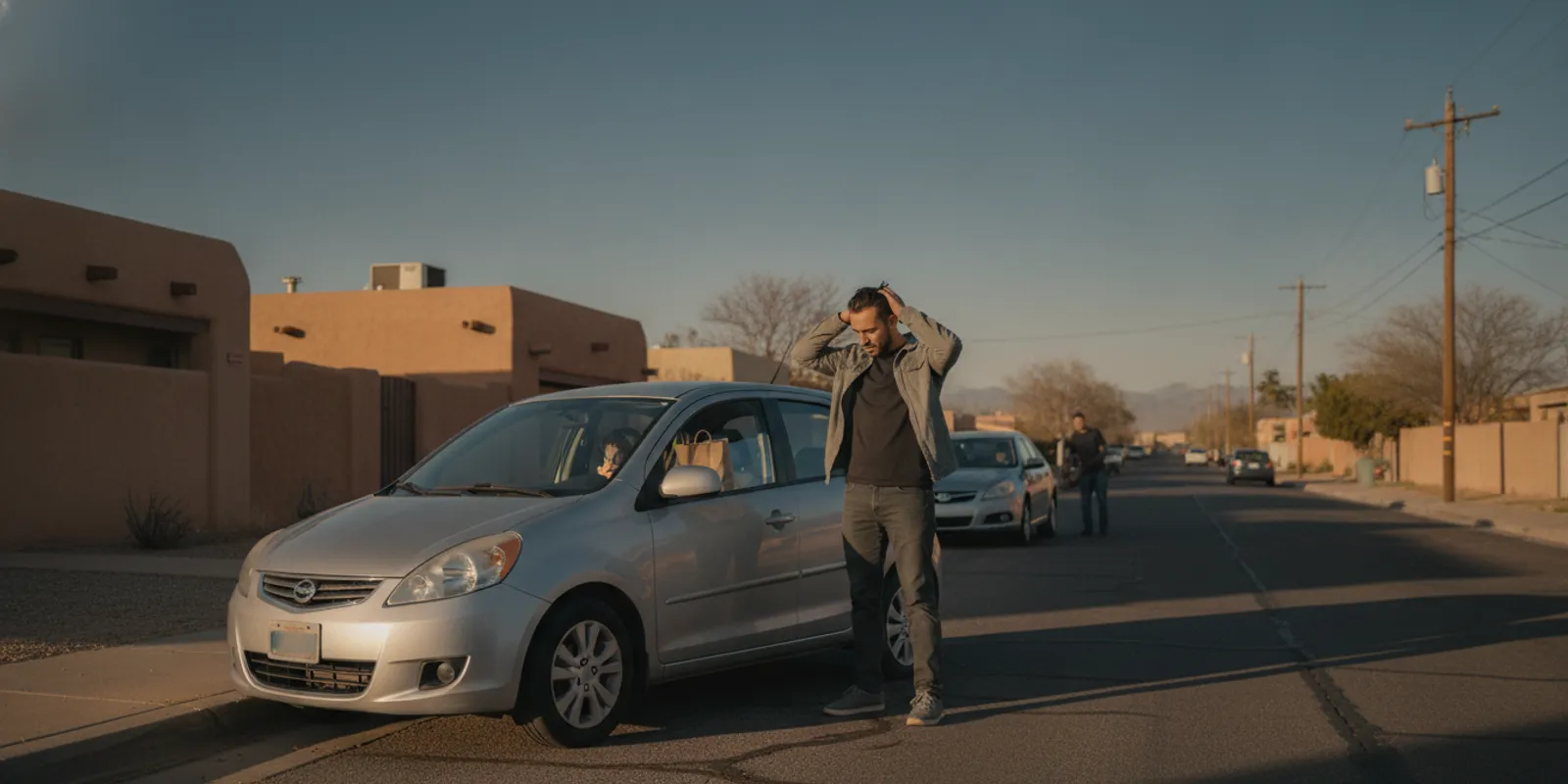
Which insurance policies may apply after a food delivery crash?
There may be more than one policy to investigate. Depending on the facts, the relevant coverage could include the delivery driver’s personal auto policy, a commercial or business-use policy, coverage associated with a delivery platform, another driver’s policy, or an injured person’s own coverage. A policy may also exclude or limit a particular type of driving. The policy language and the facts of the trip matter more than the label people use for the crash.
Start by separating three questions: Who was driving? Who may have caused the collision? Who was injured, and what insurance might respond to that person’s losses? The answers can point to different insurers. For example, if a delivery driver hits another car while carrying an order, the other occupants may investigate liability coverage, while the driver may need to look separately at coverage for their own injuries.
New Mexico’s Motor Vehicle Division describes its insurance verification process as matching vehicle insurance information from New Mexico insurers. Its vehicle insurance information is a useful starting point for understanding state verification, but it does not tell you whether a particular delivery trip is covered. That requires reviewing the actual policy and the circumstances of the crash.
For a broader overview of injury claims and potential next steps, see the firm’s New Mexico personal injury page. This article focuses on how delivery work can complicate the insurance questions.
How does the driver’s app status affect the coverage question?
A central issue is what the driver was doing immediately before and during the collision. Delivery work can involve several distinct stages. A driver might be offline, logged into an app and waiting, driving to pick up an order, or carrying food to a customer. The applicable insurance can differ by stage, but no stage by itself proves that a specific insurer must pay.
| Trip stage | Insurance questions to investigate | Useful records |
|---|---|---|
| Not logged in and not working | Does the driver’s personal policy apply to ordinary use? Are there other policies or vehicles involved? | Personal policy, declarations page, crash report, photos |
| Logged in and waiting for an order | Does the policy treat app availability or business use differently? Does the platform describe any applicable coverage? | App activity history, policy terms, platform notices |
| Accepted an order or traveling to pickup | What coverage applies during an accepted delivery assignment? Are there conditions, limits, or exclusions? | Order acceptance time, route data, pickup details, insurer correspondence |
| Delivering an order | Does a delivery-related policy apply, and how does it coordinate with any personal or commercial coverage? | Delivery status, receipt or order record, destination, trip timeline |
This table is a fact-gathering guide, not a coverage determination. Platform policies and personal auto contracts differ. Even if a platform provides insurance in some circumstances, the terms may depend on the driver’s status, the type of loss, and other conditions. Do not assume that an app automatically covers every driver or every stage of a trip.
If you were hurt in a crash with a delivery vehicle, write down what you know about the driver’s activity without trying to access anyone else’s account. Note statements made at the scene, whether food or delivery materials were visible, and any information voluntarily provided by the driver. App records may later help establish the timing.
What if the delivery driver caused the crash?
If you believe the delivery driver caused the collision, a liability claim may be presented to an insurer that potentially covers the driver for that trip. Which insurer receives the claim depends on the policy wording, the app stage, the driver’s relationship to any business, and the evidence about how the collision happened. Reporting a claim is not the same as proving fault or confirming coverage.
Several types of policies may need to be considered:
- Personal auto coverage: The driver’s ordinary auto policy may be relevant, but ask whether its terms address delivery work or business use. Do not assume it covers or excludes the trip without examining the policy.
- Commercial or business-use coverage: A separate policy or endorsement may be relevant when a vehicle is used for work. The driver’s employment arrangement and the policy terms matter.
- Platform-related coverage: A delivery service may describe insurance for certain situations. Request the applicable policy information and determine whether the driver’s precise app status fits its terms.
- Another driver’s coverage: If another motorist contributed to the collision, that person’s liability insurance may also be relevant. Responsibility can involve more than one party.
A delivery company or platform should not automatically be treated as legally responsible just because a driver used its app. The driver’s status, the company’s role, the relevant agreements, and the circumstances all need careful review. Insurance coverage and legal responsibility are related questions, but they are not identical.
New Mexico’s fault rules may also affect how responsibility is evaluated when more than one person contributed. See this explanation of comparative fault in New Mexico car accidents. Do not rely on an informal admission or an insurer’s early view as the complete account of how the crash occurred.
What if the delivery driver was injured while working?
A delivery driver’s own injury claim is different from a claim by a person struck by that driver. If a delivery driver is hurt, possible sources of payment can include the at-fault motorist’s liability policy, coverage under a policy connected to the delivery work, or the driver’s own applicable insurance. Whether a worker may also have a workers’ compensation claim depends on the work relationship and the facts; app-based work status should not be assumed either way.
It is important to distinguish first-party benefits from liability insurance. First-party coverage, if available under a particular policy, may address certain losses for an insured person regardless of who caused the crash. Liability coverage generally concerns responsibility for harm caused to someone else. The names, availability, and limits of these coverages vary, so ask each insurer to identify the policy and provision it is applying.
If the driver was hit by another vehicle, gather that vehicle’s information and report the collision through the appropriate channels. If the other driver is uninsured or has insufficient coverage, the injured person may need to examine whether any uninsured or underinsured motorist coverage applies. The policy, insured status, notice requirements, and other facts can affect that analysis.
For more detail about options when the other motorist lacks adequate insurance, read the guide to uninsured drivers in New Mexico. A delivery driver who was working should also preserve app activity and delivery records. Those records may clarify the work status, but they do not by themselves answer every legal or coverage question.
Why might a personal auto insurer question a delivery trip?
Some auto policies distinguish personal use from certain business or delivery activities. The exact wording is not uniform. A company may ask whether the driver was carrying food, waiting for an order, traveling to a restaurant, or using the vehicle for another purpose. An insurer might investigate an exclusion, an endorsement, or a disclosure issue. The policy language and governing rules determine what effect those facts have.
That uncertainty is one reason to avoid guessing in a recorded statement or treating a brief phone explanation as a final coverage decision. Be accurate. If you do not know whether the driver had accepted an order, say so. Keep copies of letters and emails, and ask the insurer to explain any coverage position in writing, including the policy provision it relies on.
New Mexico requires motor vehicle insurance, and state systems verify insurance information, but state verification is not a promise that every loss is covered. A listed policy can still raise questions about the driver, vehicle, use, exclusions, limits, or compliance with policy conditions. The MVD’s insurance page addresses the state insurance verification process, not the outcome of an individual claim.
Coverage disputes can also arise when multiple insurers point to one another. Provide each insurer with consistent basic facts, keep a record of claim numbers and adjuster contacts, and avoid signing a release before understanding what claim it resolves. A release can affect rights beyond the immediate vehicle damage discussion.
What evidence can help identify the applicable policy?
Coverage investigations often turn on a short timeline. The time of the crash, the driver’s app status, and whether an order had been accepted can matter. Preserve evidence early because app records, video, and witness recollections may not remain available indefinitely.
When it is safe and practical, collect or preserve:
- The crash report number, the responding agency’s name, and the date and location of the collision.
- Names and contact details for drivers, passengers, witnesses, and any business representative at the scene.
- Photos of vehicle positions, visible damage, road conditions, traffic controls, and relevant surroundings.
- Insurance company names, policy information offered by the drivers, and claim reference numbers.
- Medical records, discharge instructions, receipts, and a simple record of symptoms and missed activities.
- Delivery-related information shared with you, such as the driver’s explanation, visible order materials, or a time-stamped message.
- Any available camera footage from your own vehicle or property, and the names of nearby businesses that may have cameras.
Do not trespass, enter another person’s account, or try to obtain private platform data without authorization. You can ask the driver, the platform, or an insurer to preserve relevant records. An attorney may also evaluate whether a formal preservation request is appropriate. Keep original files where possible and note when and how you received them.
For practical steps that apply to many vehicle crashes, review the firm’s after-a-car-accident checklist. If a driver left before exchanging information, the separate guide to hit-and-run accidents in New Mexico may be useful.
What should you do after a delivery-related crash in New Mexico?
Focus first on safety and medical needs. Call emergency services when anyone may be seriously injured or the scene creates an immediate danger. Move to a safer place if you can do so without worsening an injury. Follow medical advice and keep a record of where and when you received care.
- Report the collision. Contact law enforcement when appropriate and request the crash report process or incident number. Give factual information. Do not speculate about fault or app coverage.
- Exchange information. Obtain the other driver’s name, contact details, vehicle information, and insurance details. If the driver mentions a delivery platform or active order, note the statement and the approximate time.
- Document the scene. Photograph the location and damage when safe. Identify witnesses and make a private timeline while the events are fresh.
- Notify relevant insurers. Promptly report the crash to your own insurer when your policy requires it. Ask the other driver’s insurer how to open a claim. A notice of loss does not mean you accept a particular coverage decision.
- Preserve work-status evidence. If a delivery trip may be involved, save any communications you lawfully possess and request that relevant records be retained. Avoid editing or deleting messages, photos, or app notifications.
- Track the effects. Keep medical paperwork, repair estimates, travel costs, and notes about how the injury affects ordinary activities. These details help explain the losses being evaluated.
- Get advice before resolving a serious claim. A release or settlement may close part or all of a claim. Understand what is being resolved before signing.
Medical care should be guided by health professionals, not by a claim strategy. Do not delay needed care while waiting for an insurer to decide whether a delivery-related policy applies. If the crash involved a commercial vehicle rather than an individual making a food delivery, the firm’s information about commercial vehicle accidents may offer relevant context.
How do policy limits and claim types affect the next step?
Finding a potentially applicable policy is only part of the process. You also need to know what loss is being claimed, who qualifies as an insured, what exclusions or conditions apply, and whether the available limits can address the losses. A claim for vehicle damage may be handled differently from a claim for bodily injury. Multiple injured people can also raise questions about how available limits are allocated.
Do not assume that the first insurer you contact is the only possible source of coverage. Conversely, do not assume several policies will pay for the same loss. Policies can contain coordination language, exclusions, deductibles, notice deadlines, and other requirements. Request the relevant documents and written explanations, and keep a dated record of communications.
The amount of insurance is not the same as the value of an injury claim. An evaluation may consider the circumstances of the collision, medical evidence, the effect of the injury, and the available coverage. Avoid relying on a quick estimate before the nature and duration of an injury are understood. A local attorney can review the facts and explain possible paths without promising a particular outcome.
The firm’s page on when another driver’s insurance may not be enough provides related information. For a general outline of what legal help may involve, see this step-by-step accident lawyer guide. Each case still depends on its own evidence and policy terms.
How can you organize conversations with insurers?
Different insurers may ask similar questions, but they may be investigating different issues. One carrier may be checking whether its insured caused the collision. Another may be deciding whether a policy applies to delivery activity. Your own insurer may need notice under your contract even if you did not cause the crash. Keep those roles separate in your notes so a conversation with one company does not become confused with another claim.
Make a simple contact log with the date, the person’s name and company, the claim number, the documents requested, and the next promised action. Save emails and letters in one place. After a call, write down what was discussed and ask for important decisions in writing. If you are unsure what a question means, ask for clarification rather than filling gaps with guesses.
When discussing the app timeline, distinguish what you personally observed from what someone told you. For example, “I saw the driver holding a delivery bag” is different from “the driver had accepted an order.” The latter may require confirmation from an app record or other evidence. Clear descriptions help avoid treating an assumption as an established fact.
Before sending documents, keep copies and provide only what is reasonably requested through an appropriate channel. Ask whether the insurer needs the full document or a relevant portion, and whether it can explain why the information matters. Do not alter photographs or messages. If a document contains unrelated sensitive information, ask how to protect it rather than editing the original without keeping a record.
Insurers may request a medical authorization, repair inspection, recorded interview, or signed release. These requests can have different consequences. Read forms before signing, ask what period or records an authorization covers, and understand whether a release resolves only vehicle damage or also injury claims. If the request is unclear or the injuries are significant, consider legal advice before agreeing.
An insurer’s initial position can change when it receives additional documents, but do not assume that it will automatically find all relevant information. You can ask what evidence remains necessary, whether a coverage decision is final or preliminary, and how to challenge it. Keep the questions neutral and specific. A written explanation can help you understand whether the issue concerns fault, the driver’s work status, a policy term, or missing records.
When should you speak with a New Mexico injury attorney?
A consultation may be useful when a person was injured, an insurer disputes whether delivery activity is covered, several drivers may share responsibility, or the app timeline is unclear. It can also help when you are asked to give a detailed statement, sign a release, or accept a settlement while treatment is ongoing. You can ask an attorney to identify which facts and documents may matter before deciding what to do next.
For a first conversation, organize what you have rather than waiting for a complete file. A concise timeline, crash report details, insurance correspondence, photographs, and treatment information are a practical start. If you do not have the delivery driver’s app records or complete policy, say so. An initial discussion can identify what is missing and how it might be requested through appropriate channels.
Fusion Legal Group serves injured people in New Mexico and offers a route to discuss an injury matter through its consultation page. The firm’s consultation preparation guide can help you organize questions and documents. Speaking with a lawyer does not itself establish representation; that relationship depends on the appropriate agreement.
Contact Fusion Legal Group to discuss your crash
Frequently asked questions
Does a delivery app automatically cover a driver who is in a crash?
No. Coverage may depend on the app’s terms, the driver’s status at the exact time, the policy’s definitions and exclusions, and the type of loss. Ask for the applicable policy information and preserve records showing whether the driver was waiting, traveling to a pickup, or completing a delivery. Do not treat app participation alone as proof of coverage.
Can a personal auto policy cover a crash during a food delivery?
It might, or its terms may raise a question about delivery or business use. Personal auto contracts differ, and coverage cannot be confirmed from the fact that a policy exists. The insurer should identify the language it applies and explain its decision in writing. A separate policy or endorsement may also need to be considered.
What if the delivery driver was not at fault?
The at-fault driver’s liability insurance may be relevant to an injured delivery driver, passenger, or other road user. The delivery driver’s own available coverage may also need review, depending on the injury and policy. Gather the crash report, witness information, and insurance details, then avoid assuming that the driver’s work status determines who caused the collision.
What if the driver was waiting for an order when the crash happened?
Waiting while logged in may be treated differently from being offline or actively completing a delivery, but the policy terms control. Record the approximate time and any statements about the app. Relevant app history may help clarify the stage of the trip. A table or general summary cannot replace a review of the actual contract and facts.
Should I give an insurer a recorded statement?
Be truthful and do not guess, but first clarify which insurer is asking, what claim it is investigating, and whether you are required to provide a statement under a policy. You can ask for the request and its purpose in writing. If you are injured or the coverage issue is contested, consider getting legal advice before a detailed recorded interview.
What is the most useful first step if I do not know which policy applies?
Address immediate medical and safety needs, report the crash as appropriate, and preserve the information already available to you. Write a timeline, keep all insurer communications, and request the relevant policy details. If the driver was working, note any app-status information you lawfully know. A consultation can help identify other records to seek.
Take a careful first step
After a food delivery crash, the applicable insurance can turn on the driver’s app status, policy language, fault, and the kind of loss involved. Preserve the evidence, ask insurers to explain their positions, and get advice before signing away a claim. A focused review of the facts can help you decide what to do next.

Anthony Spratley is the founder and managing attorney of Fusion Legal Group, a veteran-owned personal injury law firm serving clients throughout New Mexico. A retired U.S. Air Force Judge Advocate General (JAG) officer with 24 years of military service, Anthony has been licensed to practice law in New Mexico since 2003 and is admitted to the U.S. District Court, District of New Mexico. He has handled 350+ cases across personal injury, criminal defense, and family law—bringing battle-tested discipline to every client’s case. Anthony is a first-generation college graduate, a father of five, and a youth sports coach in Albuquerque.