
Albuquerque Product Liability Lawyer: What to Do After a Defective Product Injury
A defective product can cause a sudden injury, medical bills, and questions about who may be responsible. An Albuquerque product liability lawyer can help you understand what evidence to preserve and whether a manufacturer, seller, or another company may have contributed to the harm. Start with your health and the product itself; do not rush to repair, discard, or return it.
Request a free consultation about your product injury
What should you do after a product injury in Albuquerque?
Get appropriate medical attention first. A product injury may appear less serious than it is, especially after a burn, electrical shock, fall, laceration, or exposure to a substance. Tell the medical provider how the incident happened and what product was involved. Keep copies of discharge instructions, diagnoses, prescriptions, bills, and follow-up recommendations.
Then preserve what remains. Do not throw the item away, send it back to the seller, or let someone modify it before you have documented its condition and received advice. If it is unsafe to keep at home, take photographs and ask a lawyer how to arrange secure storage. Avoid testing it again. A second incident could cause additional harm or change the evidence.
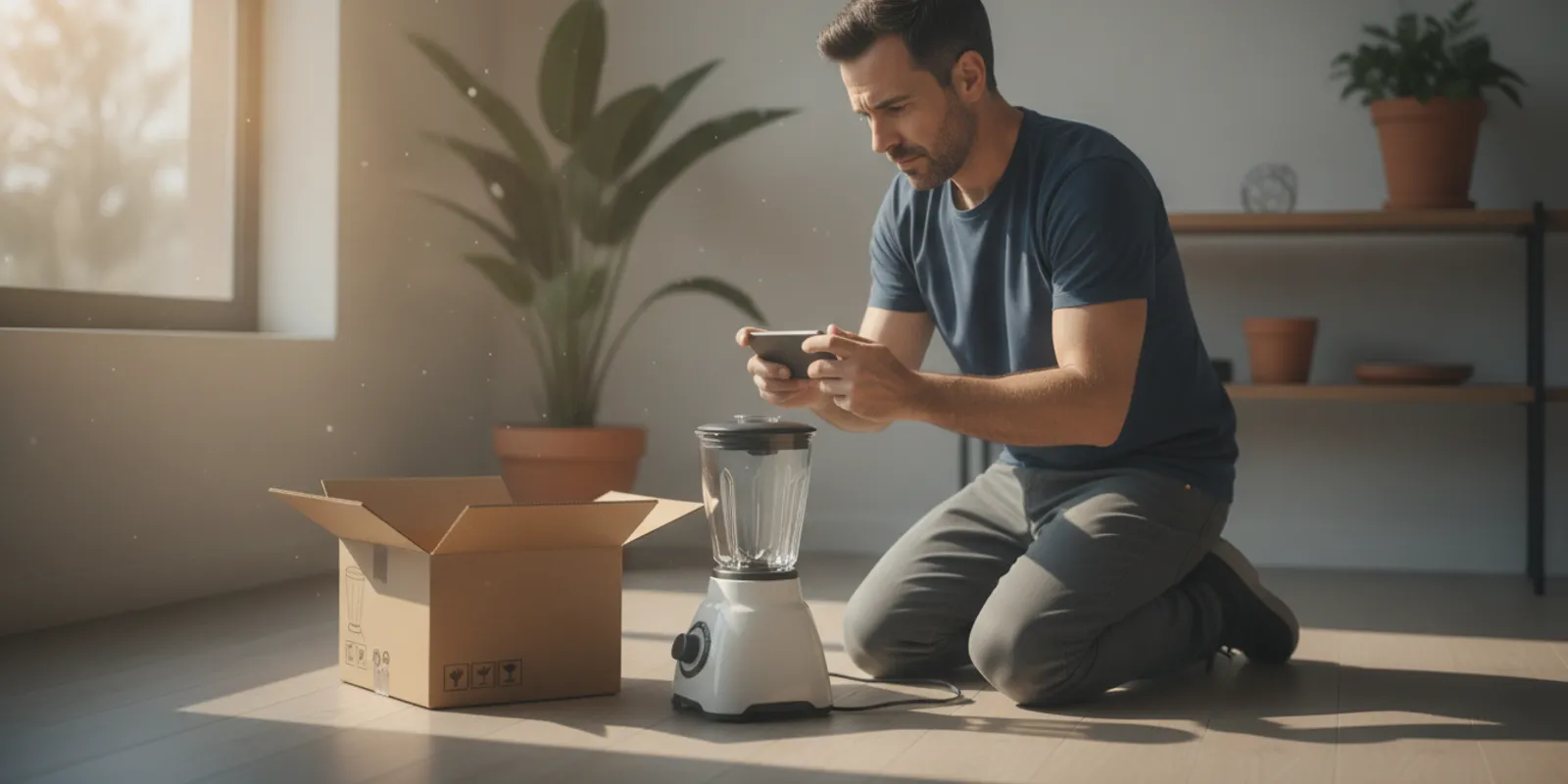
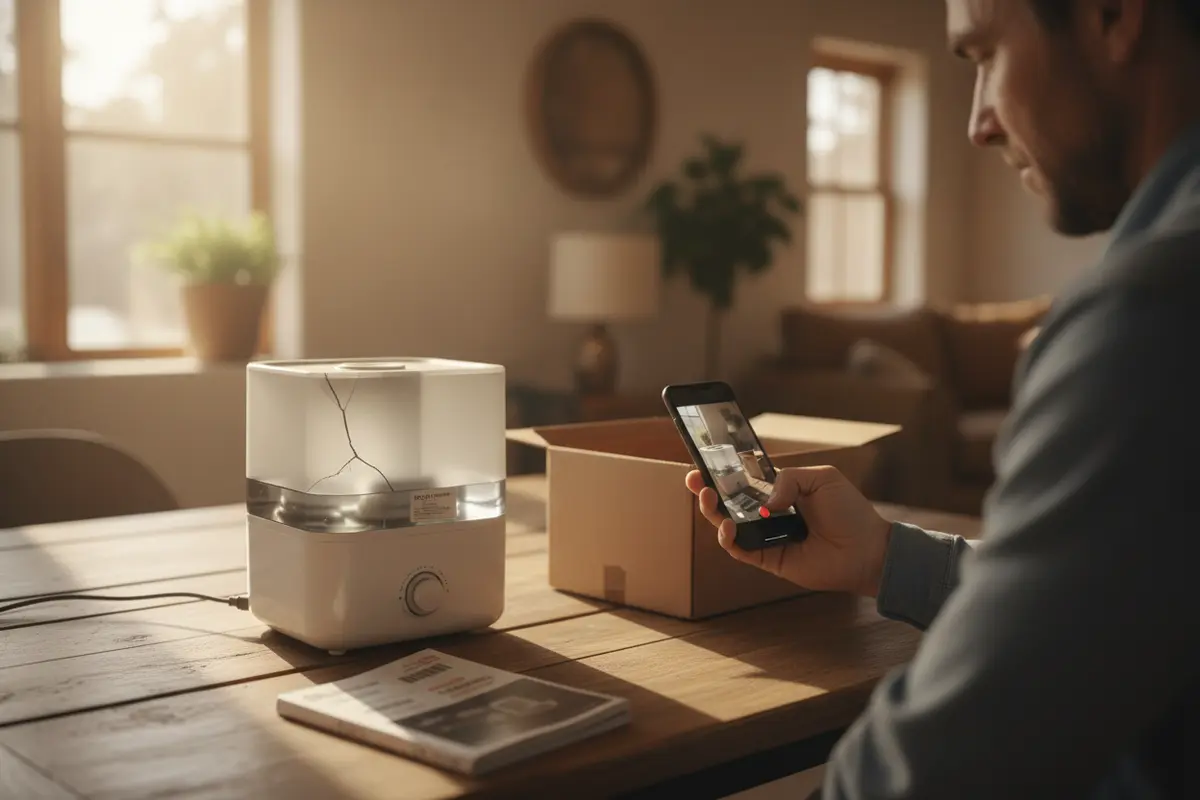
- Photograph the entire product, the damaged area, labels, serial and model numbers, packaging, instructions, and accessories.
- Keep receipts, order confirmations, warranty papers, manuals, repair records, and communications with the seller or maker.
- Write down when and where you bought the product, how long you used it, how it was maintained, and what happened immediately before the injury.
- Record the names and contact details of anyone who saw the incident or handled the product afterward.
- Preserve the product in its current condition, if safe, and make a note of anyone who takes possession of it.
Photographs are useful, but they do not replace the physical product. A lawyer or qualified expert may need to inspect it. Keep a simple record of where it has been and who has had access. If a retailer or manufacturer asks you to ship it back, sign a release, or accept money, pause and get advice before agreeing. A quick offer may not resolve every issue connected to the injury.
Make a separate inventory of what is missing or damaged. For example, list a broken part, a burned area on a countertop, clothing damaged by a chemical, or a phone that recorded the event. Photograph the scene from several distances before moving anything, when it is safe to do so. Include a scale, such as a ruler, in close-up images when size matters. Keep the original files with their dates and make a backup in a secure location. This organized record can help explain what happened without relying on later memory alone.
How can an Albuquerque investigation preserve useful evidence?
Some evidence can disappear quickly. A store may overwrite surveillance footage. A product listing may change. A repair shop may replace a component, and a witness may forget details. Make a prompt record of the incident and ask a lawyer about preservation steps before evidence is altered or lost.
Keep the original digital files for photos and videos. Do not crop, filter, or annotate the only copy. If you post about the incident online, remember that public statements can be misunderstood or taken out of context. It is safer to avoid speculation about the cause or responsibility while the facts are still being investigated.
For an injury in a store, apartment complex, workplace, or public space, note the exact location and conditions. Photograph the surroundings, lighting, warning labels, display, and any visible hazards, but do not put yourself at risk to collect evidence. Ask for an incident report and keep a copy if one is provided. An incident report records an event; it does not by itself prove who was legally responsible.
Albuquerque-specific details can help organize the investigation. Record the address, date and approximate time, nearby businesses or landmarks, and whether the product was bought locally or delivered. For an online purchase, save the seller page, product description, and order records. These details can help identify the chain of businesses that handled the item without assuming that the place of purchase determines liability.
Build a simple timeline while the events are fresh. Note when the product was first used, when it was last inspected or serviced, and whether anything unusual happened before the incident. Distinguish what you personally observed from what another person reported. If the product had a prior malfunction, record when it occurred, whom you told, and whether anyone attempted a repair. These details can guide follow-up questions and help an attorney decide whether additional records or witnesses may matter.
If the injury involved a vehicle component, construction equipment, or a product used at work, there may be additional records to preserve. Do not assume a workplace report or an insurance claim covers every possible legal question. A product issue and another type of injury claim can overlap. The firm’s pages on truck and semi accidents, construction site injuries, and personal injury representation describe related injury matters.
Who may be responsible for a defective product injury?
The answer depends on how the product was designed, made, sold, labeled, and used. A claim may involve one or more participants in the product’s path from development to the person who used it. Naming every business in that chain is not a substitute for evidence. An attorney evaluates each potential party’s role and whether the available facts connect that role to the injury.
| Potential party | Questions an investigation may examine | Records that may help |
|---|---|---|
| Manufacturer or component maker | Was a design, material, assembly, or component issue involved? | Product and component labels, physical item, instructions, repair history |
| Distributor or wholesaler | Did the business handle, store, or supply the product, and can its role be traced? | Packaging, shipment details, invoices, seller records |
| Retailer or online seller | What product was offered, represented, and sold, and by whom? | Receipt, order page, product listing, sales communications |
| Repairer, installer, or other service provider | Was the product altered, assembled, installed, or repaired before the incident? | Work orders, service records, names of technicians, photographs |
These are investigative categories, not automatic findings of fault. A retailer’s involvement in a sale does not alone establish responsibility. Likewise, an injury occurring while using an item does not establish that the item was defective. The investigation must look at the actual product, the injury mechanism, the history of use and maintenance, and the conduct of the businesses involved.
Attorneys may examine different possible product-related theories. A design concern may involve the product’s intended configuration. A manufacturing concern may involve a particular unit that differs from its intended design. A warning or instruction concern may focus on information supplied with the product. Other facts may point to improper installation, repair, or handling. Which theory fits, if any, depends on evidence and applicable law.
Keep the product’s instructions and warnings. Do not assume that a warning label settles the question, or that the absence of a warning proves a legal claim. The context matters: what information was provided, how the product was expected to be used, what risks were involved, and how the injury occurred. A qualified review is needed before drawing conclusions.
Use and maintenance history can affect how the evidence is interpreted. An attorney may ask whether the product was assembled according to its instructions, used for its intended purpose, exposed to unusual conditions, or modified. A clear and candid account is more useful than trying to make the facts fit a particular theory. If you do not know who installed a component or when it was last serviced, say so and identify any records that could answer the question.
What will an attorney review before evaluating a claim?
An attorney generally needs a clear account of the incident and the available records. Be prepared to discuss the product’s age, purchase source, prior use, repairs, maintenance, modifications, and storage. Explain whether anyone else used it or changed it. Include facts that may seem unfavorable, such as a missing component or an instruction you did not follow. Accurate information helps the lawyer assess the matter responsibly.
The review may include medical records and the connection between the event and the injuries. Keep a list of providers, appointments, medications, missed work, and changes to daily activities. Save bills and payment explanations. Do not estimate losses from memory if records are available. If treatment is ongoing, say so; an early assessment may not capture the full course of care.
Evidence may need technical analysis. Depending on the product and incident, an investigation could involve inspection of the item, review of manuals and design or service records, or consultation with an appropriate expert. Those steps are fact-dependent. Do not conduct your own destructive testing or authorize repairs that could change the condition before asking how to preserve it.
Fusion Legal Group describes its practice as focused on personal injury matters in New Mexico, with direct attorney involvement and trial-ready preparation. You can review the firm’s legal team and practice areas as you prepare questions. A consultation is an opportunity to share the known facts and ask whether the firm can evaluate the issue; it is not a guarantee of representation or an outcome.
Useful questions to ask include:
- What should I do with the product while the claim is being reviewed?
- Which records or people should I identify first?
- Could another type of claim or insurance process overlap with the product issue?
- What investigation may be needed, and who would handle the product inspection?
- What costs, fee arrangement, and next steps would apply if the firm accepts the case?
For general context, Cornell Law School’s legal directory includes New Mexico product-liability attorney listings, including results for Chaparral. A directory listing is a starting point for research, not an evaluation of a particular claim or a substitute for checking whether counsel is a fit: New Mexico product-liability attorney listings.
To make the first conversation more efficient, sort the material into a few groups: product and purchase records, incident documentation, medical information, and communications with businesses or insurers. A one-page timeline can identify gaps without requiring you to resolve them yourself. If another person has the receipt or saw the event, write down their name and the best way to reach them. Do not send sensitive medical or financial details through an unsecured channel; ask how the firm prefers to receive documents.
It may also help to write down what you need to know from the meeting. For example, ask whether the product should remain untouched, whether there are immediate steps to request records, and whether other claims may overlap. Bring questions about the proposed fee arrangement and expenses, and request clear explanations before signing anything. A careful consultation should leave you with a better understanding of possible next steps, even if technical investigation is still needed.
How do location and the purchase path matter?
Albuquerque is a useful focus for organizing a consultation and local evidence, but the city where an injury happened does not by itself answer who is responsible. The product may have been designed elsewhere, shipped through several businesses, bought online, or used at a worksite. An attorney can trace those facts and consider what records and parties need to be identified.
If you bought the product from a local business, keep the store name, transaction details, and any messages with staff. If it arrived by delivery, save the packaging and shipping information. If a family member bought it, ask them to preserve their receipt and account records. For a workplace product, identify the employer, jobsite, equipment owner, and any inspection or maintenance records you know about.
Do not assume a manufacturer, retailer, or insurer will preserve every relevant record without a request. A lawyer can advise whether and how to make a formal preservation request. Do not threaten a business or make public accusations before the facts are reviewed. Clear, factual communication and careful recordkeeping help avoid unnecessary disputes over what happened.
If the incident also involved a fall or unsafe property condition, preserve evidence of both the product and the surrounding scene. The firm’s resources on slip and fall injuries and working with an accident lawyer may help you identify related questions to raise. Overlap does not mean that every legal theory applies; an attorney needs to assess the full circumstances.

What should you avoid while the claim is being reviewed?
Do not discard the product or its packaging, agree to an inspection without understanding the conditions, or sign a broad release simply to receive a replacement. A replacement or refund may address the purchase but not necessarily the injury. Before you accept any proposed resolution, find out what it covers and whether it asks you to give up other claims.
Avoid guessing at the cause. If you do not know whether a part failed, say that you do not know. Do not alter the original photographs or product, and avoid letting multiple people handle it. Keep a log of calls and emails, including the date, the person you spoke with, and what was requested or promised.
Deadlines may apply to legal claims, and the right deadline can depend on the facts and parties involved. Do not rely on an online estimate or assume that a warranty period is the same as a deadline for an injury claim. Ask a New Mexico attorney to review timing promptly, especially if the injury occurred a while ago or the product has already been repaired or discarded.
Insurance questions can also arise. Give truthful information, but do not speculate or sign medical or property releases you do not understand. Keep copies of documents submitted or received. If you have already spoken with a seller, manufacturer, insurer, or another lawyer, bring those communications to the consultation.
How can you prepare for a consultation in Albuquerque?
You do not need a perfect file before asking for guidance. Gather what you already have, and make a short timeline while the memory is fresh. Include the date of purchase, the date and place of the incident, the product’s condition beforehand, what happened, who was present, and what medical care followed. Separate what you saw from what someone else told you.
Bring or securely share product photos, labels, receipts, instructions, incident reports, medical records, and correspondence. If a document is missing, note who may have it. Keep the actual product available if it can be stored safely. Tell the attorney if the item is no longer in your possession or has been altered; do not hide gaps in the evidence.
Fusion Legal Group serves injured people across New Mexico from its Albuquerque base. Its New Mexico vehicle-accident information and consultation preparation resource illustrate how to organize a conversation about an injury matter. Product cases have their own evidence questions, so use those pages only as general preparation, not as a determination of your product claim.
Contact Fusion Legal Group to discuss your product injury
Frequently asked questions
Should I keep the defective product after an injury?
Yes, if you can store it safely. Do not use, repair, discard, or return it before asking a lawyer how to preserve it. Photograph its condition and identifying labels, keep packaging and instructions, and make a record of anyone who handles it. If storage itself creates a safety risk, document the item and seek advice about safe preservation.
Can more than one company be involved in a product liability claim?
Possibly. Depending on the evidence, an investigation may examine the manufacturer, component maker, distributor, seller, or a business that installed or repaired the product. The involvement of a company in the supply chain does not automatically make it liable. A lawyer reviews each party’s role and the connection to the injury.
What if I bought the product online or no longer have the receipt?
Save the order history, confirmation emails, product listing, bank or card record, delivery details, and any messages with the seller. Ask the person who made the purchase to preserve their account records. A missing receipt does not answer whether a claim exists, but other reliable records may help establish what product was involved and where it came from.
Does a product injury automatically mean I have a legal claim?
No. An injury alone does not establish that a product was defective or that a particular business is responsible. The product’s condition, expected use, warnings, maintenance, incident circumstances, and medical evidence all matter. An attorney can review the available information and explain what additional investigation may be needed before reaching a conclusion.
How soon should I speak with a lawyer?
It is sensible to seek advice promptly because evidence can change or disappear, and legal deadlines may apply. Do not wait for every medical bill or technical answer before making an inquiry. A lawyer can discuss what should be preserved now, whether additional records are needed, and how timing may affect the specific facts of your situation.
After a product injury, protect your health, preserve the item and records, and get advice before agreeing to a return, repair, or release. A careful review can help you understand what evidence matters and what options may be available in Albuquerque.

Anthony Spratley is the founder and managing attorney of Fusion Legal Group, a veteran-owned personal injury law firm serving clients throughout New Mexico. A retired U.S. Air Force Judge Advocate General (JAG) officer with 24 years of military service, Anthony has been licensed to practice law in New Mexico since 2003 and is admitted to the U.S. District Court, District of New Mexico. He has handled 350+ cases across personal injury, criminal defense, and family law—bringing battle-tested discipline to every client’s case. Anthony is a first-generation college graduate, a father of five, and a youth sports coach in Albuquerque.